Picking the wrong PPC platform doesn’t just waste money. It wastes months. You optimise, you test, you tweak your ad copy and then realise you’ve been fishing in the wrong pond the whole time.
The good news is that choosing the right platform is not that complicated once you understand what each one is actually built for. This guide breaks down the top PPC advertising platforms, how they compare, what they cost, and which type of business gets the most out of each.
If you already work with a PPC management service, share this with them. If you’re running campaigns yourself, read every section carefully before spending a dollar.
What Is a PPC Platform, Exactly?
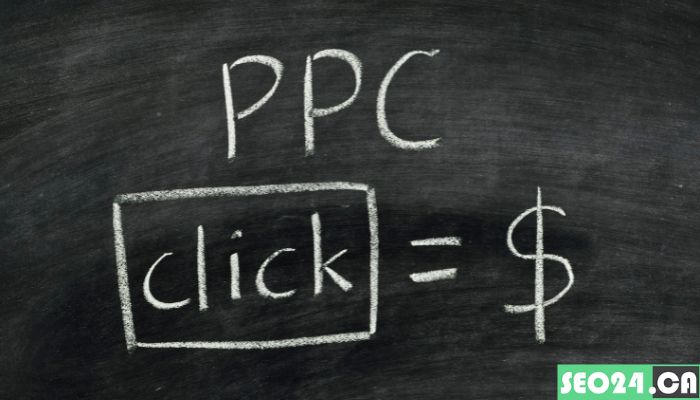
A PPC (pay-per-click) platform is where you create, launch, and manage paid ad campaigns. You set a budget, choose your audience, write your ads, and pay only when someone clicks. Google Ads and Meta Ads are the most well-known examples, but there are dozens of platforms worth considering depending on your goals.
Not all clicks are equal. A click from someone who just searched “emergency plumber Toronto” is worth a lot more than a click from someone who saw a banner ad while scrolling. That difference in intent is what separates one platform from another.
Types of PPC Advertising Platforms
Before diving into individual platforms, it helps to know the categories:
Search PPC Platforms show ads to people actively searching for something. Google Ads and Microsoft Ads fall here. These tend to have the highest buyer intent.
Social Media PPC Platforms let you target users based on who they are: their age, interests, job title, behaviours. Facebook, Instagram, LinkedIn, and TikTok all work this way.
Video PPC Platforms deliver ads before or during video content. YouTube is the giant here, but TikTok also fits this category.
Retail Media Platforms like Amazon Ads put your products in front of shoppers who are already in buying mode.
Native and Display Platforms like Taboola serve ads that blend into editorial content, useful for brand awareness and content funnels.
Knowing which category fits your goal saves you from the most expensive mistake in paid advertising: chasing clicks instead of customers.
The Best PPC Platforms Reviewed
1. Google Ads: The Default Starting Point
There’s a reason every business considers Google Ads first. With billions of searches processed daily and a reach that covers over 90% of internet users, it’s the largest PPC network in the world.
You can run search ads (text ads on the results page), display ads (banners across millions of websites), shopping ads (product listings with images and prices), YouTube video ads, and Performance Max campaigns that run across all Google surfaces using AI-driven optimisation.
Average CPC: Around $5.42 on the Search Network, though it varies heavily by industry. Legal and finance keywords can cost $50+ per click. Our full guide on how much Google Ads costs breaks down current benchmarks by industry.
Best for: Businesses where people are already searching for what you sell. Home services, healthcare, legal, software: any industry where someone types a problem into Google and you have the answer.
What people miss: Google Ads is excellent at capturing demand. It’s not as strong at creating it. If nobody is searching for your product yet, you’ll struggle here.
Our Google Ads management service covers campaign structure, bidding strategy, and keyword targeting for businesses across Toronto.
2. Meta Ads (Facebook and Instagram): Unmatched Audience Targeting
Meta Ads manages both Facebook and Instagram from a single platform. That’s a combined audience of over 3 billion monthly active users. What makes Meta stand out isn’t the size, it’s the depth of targeting.
You can reach people by age, location, income level, interests, life events, job title, purchase behaviour, and more. The algorithm is also smart enough to automatically shift your budget between Facebook and Instagram based on where it sees better results.
Average CPC: $0.50 to $2.00, making it one of the more cost-accessible platforms.
Best for: E-commerce brands, local businesses, B2C companies, and anyone running retargeting campaigns. Restaurants, retail, fitness studios, and online stores do exceptionally well here.
What people miss: Meta does not show ads to people based on what they’re searching for; it targets based on who they are. This means you need strong creative (images and video) to stop the scroll. Weak visuals kill performance regardless of targeting quality.
We manage Facebook Ads and Instagram Ads as part of our broader Meta Ads management service.
3. Microsoft Ads: The Underrated Option
Microsoft Ads (previously Bing Ads) reaches users across Bing, Yahoo, and AOL. Its market share is much smaller than Google’s, with Bing at around 4% of global searches, but that smaller pool of traffic comes with real advantages.
The audience skews older and more affluent. Competition is lower. And because the interface is nearly identical to Google Ads, you can import your existing campaigns and be up and running within the hour.
Average CPC: Around $1.54, significantly cheaper than Google for most industries.
Best for: Financial services, healthcare, B2B companies, and any business where the target customer is over 35 and has higher purchasing power.
Unique feature: Microsoft Ads integrates LinkedIn profile data for targeting, which is something Google doesn’t offer. You can layer in job title and industry targeting on top of search behaviour.
If you’re already running Google Ads, adding Microsoft Ads is low-effort and often generates meaningful incremental revenue.
4. LinkedIn Ads: The B2B Standard
LinkedIn Ads is the only PPC platform where you can target people by job title, seniority, company size, industry, and professional skills. That specificity comes at a price, since LinkedIn CPCs are among the highest of any platform, but for B2B companies the lead quality justifies it.
Formats include sponsored content (posts in the feed), InMail (direct messages to LinkedIn inboxes), lead gen forms (that pre-fill with profile data), video ads, and conversation ads.
Average CPC: $5 to $15+, sometimes much higher in competitive verticals.
Best for: SaaS companies, professional services, recruiting, financial services, and any business selling to mid-size or enterprise companies. If your sale involves a decision-maker with a specific job title, LinkedIn is your platform.
What people miss: LinkedIn requires patience. It’s not a platform where you’ll see immediate ROAS. Run it with a longer attribution window and focus on lead quality over volume.
We offer dedicated LinkedIn Ads management for B2B clients across Toronto.
5. YouTube Ads: Video That Converts
YouTube is the second-largest search engine in the world. People search for tutorials, product reviews, and how-to content constantly, and you can put your ad in front of them at exactly the right moment.
Ad formats include skippable in-stream ads (the ones you can skip after 5 seconds), non-skippable ads (15 seconds max), bumper ads (6-second non-skippable), and display ads that appear alongside videos. YouTube campaigns run through Google Ads, so all your existing targeting and audience data carries over.
Best for: Brand awareness campaigns, product demonstrations, companies with strong visual storytelling, and e-commerce brands that need to show how a product works before a sale.
What people miss: YouTube is a mid and top-of-funnel channel for most businesses. Don’t expect the same direct conversion rates you’d see with Google Search. Use it to build familiarity and retarget viewers with search or shopping ads further down the funnel.
6. TikTok Ads: High Engagement, Right Audience
TikTok now has over 1.5 billion monthly active users with average daily usage exceeding 90 minutes, one of the highest engagement rates of any social platform. For brands that can produce authentic, creative short-form video content, the costs are often 30 to 50% lower than equivalent placements on Meta.
Ad formats include in-feed ads (appear in the For You feed), TopView (first ad seen when opening the app), branded hashtag challenges, and branded effects.
Best for: Consumer brands targeting Gen Z and millennials, e-commerce companies, mobile apps, and any business where creative and entertainment value can drive discovery.
What people miss: Creative fatigue on TikTok is brutal. An ad that performs well today can drop off significantly in two weeks. You need a steady pipeline of fresh video content to maintain results, which means higher production demands than most platforms.
7. Amazon Advertising: Where Buyers Are Ready to Buy
Amazon handles nearly half of all e-commerce in North America. When someone searches on Amazon, they’re not browsing; they’re shopping. That purchase intent is what makes Amazon Ads so effective for product-based businesses.
Ad types include Sponsored Products (appear in search results and product pages), Sponsored Brands (banner ads featuring your logo and multiple products), and Sponsored Display (retargeting inside and outside of Amazon).
Best for: Brands selling physical products, especially in categories like home goods, electronics, beauty, health, and apparel. If your products are already on Amazon, advertising there is close to a necessity.
What people miss: Amazon Ads rewards reviews and ratings. An ad driving traffic to a product with few reviews will underperform even with a solid budget. Fix your product listings and reviews before scaling ad spend.
8. Pinterest Ads: High Purchase Intent, Niche Reach
Pinterest is where people plan. They save ideas for home renovations, weddings, recipes, and wardrobes months before they buy. That planning behaviour creates strong purchase intent: 83% of Pinterest users say they make purchases based on content they’ve seen on the platform.
Ad formats include promoted pins, video pins, shopping ads, and collection ads.
Best for: Home decor, fashion, food, beauty, wedding, DIY, and lifestyle brands. E-commerce businesses with visually compelling products see strong performance here.
Average CPC: Typically $0.10 to $1.50, making it one of the most cost-effective options for the right audience.
What people miss: Pinterest is a slower burn than Google or Meta. Users pin things, sit on them for weeks or months, and then act. Don’t pull campaigns early because the immediate conversion data looks thin.
Which PPC Platform Is Right for Your Business?
Here is a straightforward breakdown based on business type:
Local service businesses (plumbers, dentists, lawyers, contractors): Start with Google Ads. People searching for your service in your city are ready to call. Add Microsoft Ads once Google is running smoothly.
E-commerce brands: Meta Ads for discovery and retargeting, Google Shopping for capturing search demand, Amazon Ads if you sell on the platform. Add TikTok if you have video creative capacity.
B2B companies and SaaS: LinkedIn Ads for lead generation and decision-maker targeting. Microsoft Ads for search intent at lower CPC. Be patient, because B2B sales cycles are long.
Brands with visual products: Instagram and Pinterest for top-of-funnel awareness, retargeted with Google or Meta lower down the funnel.
Budget-conscious advertisers: Microsoft Ads and Pinterest offer the best CPCs. They have smaller audiences but real buyers in them.
The worst thing you can do is spread a small budget across five platforms at once. Pick one or two. Master them. Then expand.
How to Maximise ROI Across Any PPC Platform
Landing page quality matters more than most advertisers realise. A great ad sending traffic to a slow, confusing, or generic page will always underperform. Your landing page and your ad need to tell the same story. Our guide on optimising your landing page for PPC success covers what that looks like in practice.
Keyword and audience research is not a one-time task. Run it before launch and revisit it monthly. What worked six months ago may not be competitive today.
Use negative keywords religiously on search platforms. Blocking irrelevant search terms can cut your wasted spend by 20 to 30% without touching anything else in the account.
A/B test one variable at a time. Headlines, images, CTAs: change one thing, measure the result, then move on. Testing everything at once tells you nothing useful.
Track conversions, not clicks. Clicks are cheap to generate. Conversions are what matter. If you’re not tracking form submissions, calls, purchases, and signups through your ad platform, you’re flying blind.
Understanding how PPC and SEO work together can also dramatically improve your overall results. Check out our post on whether Google Ads PPC increases SEO ranking and web traffic for a full breakdown of how the two channels interact.
If you want to understand PPC management more deeply before hiring someone, our guide on what PPC management actually involves is worth reading first.
Get Professional Help With PPC
Managing PPC campaigns across multiple platforms takes more time and expertise than most businesses have in-house. The platforms change constantly. Bidding algorithms update. Creative performance decays.
At SEO24, we manage PPC campaigns for businesses across Toronto, from Google Ads and Meta to LinkedIn. We build the strategy, set up the campaigns, and optimise continuously based on real data. If you want to know what our PPC management costs, you can check our PPC pricing page directly.
Contact us to talk about your goals and get a custom strategy.
FAQ: Pay per click advertising platforms
What is the best PPC platform for small businesses?
Google Ads is usually the best starting point for small businesses because it captures people who are already searching for your product or service. Microsoft Ads is worth adding soon after since it costs less per click and requires minimal extra work to set up. If your business is visual or local, Meta Ads is a strong second option.
Which PPC platform has the lowest cost per click?
Pinterest typically has the lowest CPC at $0.10 to $1.50 per click. Microsoft Ads runs around $1.54 on average. TikTok can also be very cost-effective for the right audience, often 30 to 50% cheaper than Meta for comparable placements.
Is Google Ads better than Facebook Ads?
They serve different purposes. Google Ads captures existing demand from people searching for what you sell. Facebook Ads creates demand by reaching people before they know they need you. Most businesses benefit from running both, with Google Ads for bottom-of-funnel and Meta for top-of-funnel and retargeting.
How much should I spend on PPC advertising?
There is no universal answer, but a common starting point for testing is $1,000 to $3,000 per month per platform. This gives you enough data to optimise without overcommitting. Budget should scale with what you learn. Our PPC pricing page outlines what professional management costs alongside your ad spend.
What PPC platform is best for B2B?
LinkedIn Ads is the go-to for B2B because of its professional targeting capabilities. Microsoft Ads is also effective for B2B since its user base skews toward business professionals and has lower competition than Google. Running both together gives you intent-based search plus professional audience targeting.
Can I run PPC ads on multiple platforms at the same time?
Yes, and in many cases you should. Google Ads and Meta Ads work well together because they cover different parts of the buyer journey. However, don’t spread a limited budget too thin across too many platforms. Start with one or two, optimise until they’re performing, then expand.
How long does it take for PPC to show results?
Search campaigns on Google or Microsoft can start showing results within days. Social and video campaigns typically take two to four weeks to exit the learning phase and stabilise. LinkedIn campaigns often need 60 to 90 days before you can accurately evaluate performance.
Do I need a separate landing page for each PPC platform?
Not necessarily separate pages for every platform, but your landing page should match the messaging and audience of each campaign. Someone clicking a LinkedIn ad for a B2B software trial and someone clicking a Facebook ad for a consumer app have very different expectations. Sending both to the same generic homepage is a conversion killer.