


Alternate Page with Proper Canonical Tag in SEO
A precise understanding of Index Coverage reports in Search Console is the key to technical SEO optimization. The status “Alternate page with proper canonical tag” is one of the reports whose proper management distinguishes a well optimized site from one with structural issues. Below, this status is examined from technical, strategic, and site architecture perspectives.
Table of Contents
What is the exact meaning of “Alternate page with proper canonical tag”?
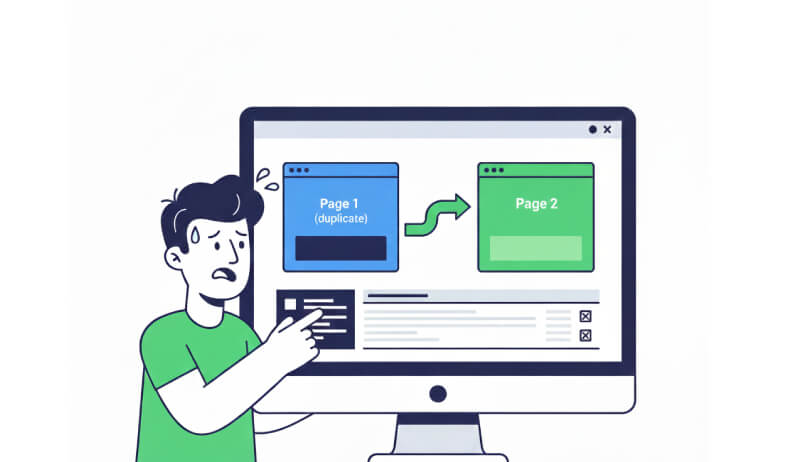
The status “Alternate page with proper canonical tag” indicates that Google has found a page that is considered a duplicate or alternative version of another page on your site. The page includes a proper canonical tag pointing to the main (canonical) version. This tells Google to index only the canonical page while ignoring the duplicate, helping to prevent content duplication issues and maintain a clean site structure.
When Googlebot encounters this status, it means the deduplication process has been successfully completed. In this situation:
- Google has discovered URL “A”.
- Google has determined that URL “A” is a version of URL “B”.
- On URL “A”, the rel=”canonical” tag points to URL “B”.
- Google respects your directive and indexes only URL “B” (the canonical version).
One of the challenging topics in technical SEO is the use of the Canonical Noindex strategy. While it is generally recommended not to combine these two tags, some SEO specialists consider this approach in specific scenarios to ensure that alternate pages are completely excluded from the index. However, it should be noted that using this method requires great care to avoid disrupting the transfer of link equity. To better understand the differences between these two directives and their use cases, a thorough examination of technical conflicts in large-scale projects is essential.
Why pages appear in the Alternate page list
To manage this section, you need to understand which entities trigger this status:
Active Parameters
In content management systems (CMS), product filters, campaign tracking codes (UTM), and session IDs create new URLs without changing the main content.
Mobile Friendly Structure
If you use separate URLs for mobile, Google identifies the mobile URLs as alternate versions and selects the desktop version as the primary.
Non canonical Protocols and Domain Structure
Conflicts between HTTP and HTTPS versions, or the presence of a www subdomain versus the non-www version.
Trailing Slash Differences
Google treats URLs like example.com/page and example.com/page/ as separate entities. If one is canonicalized to the other, it appears in this report.
Proper Canonical vs. Google Chosen
Many specialists confuse these two, but the difference is determined by your Sitemap Strategy:
| Feature | Alternate page with proper canonical tag | Duplicate, Google chose different canonical |
|---|---|---|
| Signal Status | Your signals (tags, sitemap, internal links) are aligned | Conflicting signals sent, and Google is confused |
| Final Decision Maker | Google algorithm (confirming your suggestion) | Google algorithm (ignoring your suggestion) |
| Directive Type | Hint successfully executed | Hint ignored |
| Action Required | No (unless optimizing crawl budget) | Yes, immediate review of linking structure and content |
When This Status Becomes a “Hidden Error”
If important pages of your site (such as main categories) appear in this list, you should promptly check the following:
- Canonical Chains: Ensure that page A is not canonicalized to B and B to C. Canonical tags should point directly to the final target page.
- Sitemap Conflicts: URLs in this list should not appear in the sitemap.xml file. Sitemaps should only include canonical, indexable pages.
- Status Code of the Target URL: The URL in the canonical tag must return a 200 status code. If you point the canonical to a page that is itself redirected or returns a 404, Google will ignore the signal.
- Incorrect Combination with Noindex: Never use a noindex tag on a page that has a canonical tag. These two directives conflict, causing Google to ignore your canonical signal and preventing link equity from being properly passed.
When This Status Can Harm Your Site?
Contrary to popular belief, having a large number of pages in this section is not always harmless. There are two key concepts to consider:
Crawl Budget Exhaustion
Google allocates a limited amount of time for crawling each site. If your site has 5,000 indexed pages but 50,000 pages appear in this report, it means Googlebot is wasting resources on duplicate pages. As a result, your new pages may be indexed more slowly.
Signal Conflict
If a page in this list is one you want to be indexed, it indicates that your canonical system is misconfigured, effectively causing SEO self sabotage.
Advanced Solutions for Managing Alternate Pages
Effectively managing alternate pages is crucial for maintaining a clean site structure, optimizing crawl budget, and preventing SEO issues caused by duplicate content. While Google generally handles canonical tags well, implementing advanced strategies ensures that your most important pages get prioritized for indexing, and unnecessary duplicates do not consume crawl resources.
Methods to Manage Alternate Pages:
Using Robots.txt to Optimize Crawl
Block Googlebot from crawling URL parameters or pages that should never be indexed (e.g., ?sort=price). This prevents these pages from appearing in the Alternate page report and saves crawl budget for high priority pages.
Managing URL Parameters via Alternative Methods
Although the old URL Parameters tool is retired, you can still control how Google interprets parameters through proper coding practices and header tags, ensuring that parameterized URLs do not compete with canonical versions.
Reviewing Canonical Chains and Conflicts
Regularly audit canonical tags to avoid chains (A → B → C) or conflicts with your XML sitemap. Direct canonicalization and alignment with sitemap entries help Google recognize the correct primary pages.
Monitoring Signal Conflicts
Ensure that internal links, sitemaps, and canonical tags consistently point to the intended canonical pages. Conflicting signals can lead to Google choosing a different canonical than the one you intended.
Mobile and Protocol Considerations
Verify that mobile (m-dot) URLs, HTTP vs. HTTPS versions, and www vs. non-www versions are properly canonicalized to the primary desktop version to prevent unnecessary alternates.
Conclusion
The status “Alternate page with proper canonical tag” is essentially Google’s final confirmation that your duplicate content management strategy is working correctly, indicating that crawlers are properly interpreting your technical directives. When you see this report, it means Google has recognized that the URLs listed are only secondary or parameterized versions of a primary page. Consequently, Google transfers SEO value to the main URL and refrains from indexing the duplicate versions, preventing keyword cannibalization.
However, managing this section requires a strategic view of crawl budget, because an excessive accumulation of alternate URLs in this list may indicate that Googlebot is wasting resources crawling hundreds of filter parameters or tracking codes, leading to server load and delays in indexing new pages. On large or e commerce websites, optimizing this status through robots.txt directives or precise parameter management becomes especially important to ensure that Google focuses on the site’s most valuable and revenue generating pages.
FAQ
Do these pages appearing in the Excluded section affect the overall site ranking?
No. These pages are actively excluded from search results to support the ranking of the main page. The only risk is crawl space being consumed.
Why does Google still index a page even if the canonical tag is correct?
This indicates a weak canonical signal. If the content of the two pages differs too much, Google may ignore the canonical tag.
What is the difference between a 301 redirect and a canonical in this report?
With a redirect, users do not see the page. In an Alternate Page, users can still access the page (e.g., via internal search results), but Google does not index it.
Should we remove all pages from this list?
Never! Many of these pages (such as filtered views) are essential for user experience (UX). The goal is to manage indexing, not remove user facing content.
Related Posts
Learn what SEO is and why it's crucial for your business. Find out how optimizing your website can boost…
by
Having a great website is just the first step. To get people to visit it, they need to be…
by
As voice search becomes more popular, it's clear that people are changing how they look for information online. Users…
by
With the rise of zero-click searches, ranking at the top of Google's search results has taken on a new…
by